


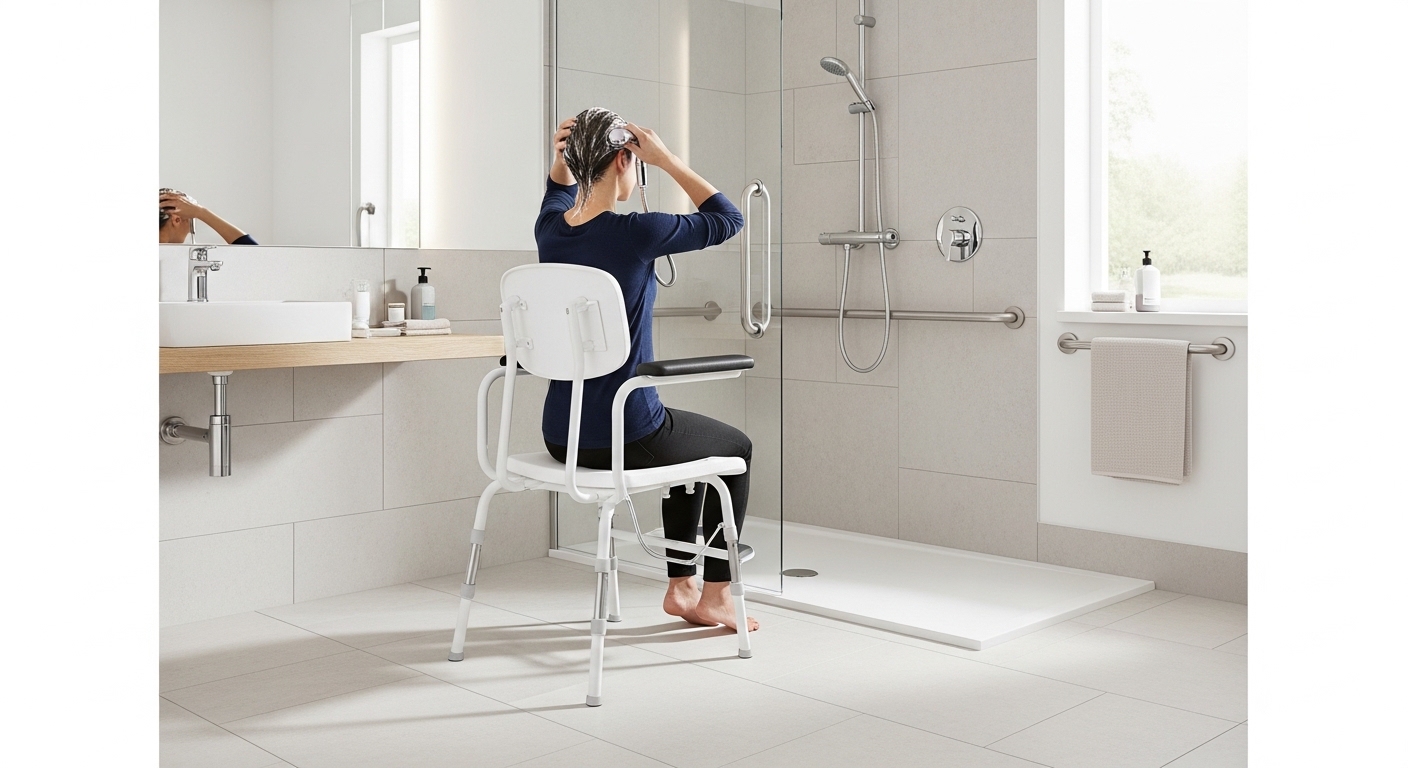
Hygienstolar play a crucial role in modern healthcare and home care environments. Designed to support individuals with limited mobility, disabilities, or age-related challenges, these specialized chairs make personal hygiene routines safer, more comfortable, and more dignified. Whether used in hospitals, nursing homes, or private residences, hygiene chairs help reduce physical strain while increasing independence and security.
In this comprehensive guide, we explore what hygienstolar are, their benefits, the different types available, key features to consider, and how to choose the right model for specific needs.
What is a hygienstolar ?
A hygiene chair is a specially designed mobility aid that assists individuals during personal hygiene activities such as showering, toileting, and bathing. Unlike regular chairs, hygiene chairs are constructed from water-resistant, durable materials that withstand moisture, frequent cleaning, and disinfectants.
Many models include wheels for easy mobility, locking brakes for safety, armrests and footrests for support, and ergonomic seating for enhanced comfort. Some hygiene chairs are designed to fit directly over a toilet, while others include a built-in commode system.
Their primary purpose is to improve safety, reduce fall risks, and ease the physical demands of caregiving.
Key Benefits of hygienstolar
Enhanced Safety
One of the most important advantages of hygiene chairs is improved safety. Bathrooms are among the most accident-prone areas in any home or care facility due to slippery surfaces and limited space. Hygiene chairs provide stable seating and secure support, significantly reducing the risk of falls.
Lockable wheels ensure that the chair remains stable during use, while non-slip materials add an extra layer of protection.
Improved Comfort
Comfort is essential when assisting with personal care routines. Hygiene chairs are ergonomically designed to provide proper posture and support for the back, arms, and legs. This ensures that users can sit comfortably for extended periods without strain.
Padded seats and adjustable components further enhance comfort and adaptability.
Greater Independence
For individuals with limited mobility, hygiene chairs can promote a sense of autonomy. Being able to participate more actively in personal hygiene routines improves self-esteem and preserves dignity.
Even partial independence in daily care activities can significantly enhance quality of life.
Reduced Caregiver Strain
Hygiene chairs also benefit caregivers. Transferring a patient between bed, toilet, and shower can be physically demanding. A well-designed hygiene chair minimizes heavy lifting and awkward positioning, reducing the risk of caregiver injuries.
Types of Hygiene Chairs
There are several types of hygiene chairs, each designed to meet specific needs and environments.
Shower Chairs
Shower chairs are specifically intended for use in wet environments. They are typically made from rust-resistant materials such as aluminum and high-quality plastic.
These chairs may be stationary or adjustable and often include drainage holes in the seat to prevent water buildup. Some models are foldable, making them ideal for small bathrooms or occasional use.
Commode Chairs
Commode chairs serve as portable toilet solutions. They include a removable bucket or pan beneath the seat, allowing individuals to use the toilet without needing to access a traditional bathroom.
This type of hygiene chair is especially useful for people recovering from surgery or those with limited mobility who cannot travel easily to a restroom.
Shower Commode Chairs
Shower commode chairs combine the functions of both shower and toilet chairs. They can be used directly in the shower and positioned over a toilet.
These versatile models are common in hospitals and long-term care facilities because they reduce the need for multiple transfers between equipment.
Mobile Hygiene Chairs
Mobile hygienstolar feature wheels and brakes, allowing caregivers to move users safely between rooms. This type is particularly useful in clinical settings or for individuals who require frequent assistance.
High-quality wheels ensure smooth movement across various floor surfaces.
Electric hygienstolar
Electric or powered hygienstolar offer advanced features such as height adjustment controlled by a remote. These chairs are ideal for professional care environments where ergonomic efficiency is essential.
They significantly reduce physical strain on caregivers and enhance comfort for users.
Important Features to Consider
Choosing the right hygiene chair requires careful consideration of several factors.
Adjustable Height
Height-adjustable chairs allow users to maintain proper posture and simplify transfers. This feature is especially beneficial when positioning the chair over a toilet or next to a bed.
Durable Construction
A strong frame made from aluminum or stainless steel ensures long-term durability and safety. The chair should support the user’s weight comfortably while maintaining stability.
Locking Wheels
If mobility is required, ensure the chair includes reliable locking brakes. These prevent unwanted movement during use.
Ergonomic Seat Design
The seat should provide adequate support and comfort. Some models feature padded surfaces, contoured shapes, or soft materials to enhance user experience.
Armrests and Footrests
Armrests assist with sitting and standing, while footrests improve posture and comfort. Swing-away or removable options provide added flexibility during transfers.
Easy Cleaning
Since hygiene chairs are exposed to water and bodily fluids, they must be easy to clean and disinfect. Smooth surfaces and removable components simplify maintenance.
Hygiene Chairs in Elderly Care
In elderly care settings, hygiene chairs are essential tools for daily routines. They support aging individuals who may struggle with balance, muscle weakness, or joint pain.
By providing safe and comfortable assistance, hygiene chairs help preserve dignity while reducing fall risks. Care facilities rely on these chairs to create safer environments for both residents and staff.
Regular inspection and maintenance ensure optimal performance and hygiene standards.
Hygiene Chairs for Home Use
Hygiene chairs are increasingly popular in private homes. Families caring for elderly relatives or individuals with disabilities often find these chairs indispensable.
Compact and foldable models are ideal for smaller bathrooms, while multifunctional shower commode chairs offer maximum versatility. In many cases, a hygiene chair can serve as either a temporary or long-term solution, depending on the individual’s needs.
Selecting the right model can greatly improve daily comfort and ease for both users and caregivers.
Materials and Durability
Most hygiene chairs are made from moisture-resistant materials such as aluminum, stainless steel, and medical-grade plastic. These materials prevent rust and deterioration while ensuring long-term durability.
High-quality construction not only increases product lifespan but also enhances safety. When purchasing a hygiene chair, it is important to verify that it meets relevant safety and medical standards.
Sustainability is also becoming a growing focus in manufacturing, with many companies incorporating eco-friendly practices.
Maintenance and Cleaning
Proper maintenance is essential to ensure hygiene and longevity. Hygiene chairs should be cleaned regularly using mild detergents that do not damage the materials.
Removable components, such as buckets or seat covers, should be disinfected thoroughly. Additionally, inspect wheels, brakes, and frame joints periodically to ensure everything remains secure and functional.
Consistent maintenance protects both users and caregivers from health risks.
How to Choose the Right Hygiene Chair
Selecting the right hygiene chair begins with assessing the user’s mobility level, strength, and specific care requirements.
Consider the primary use: Will the chair be used only in the shower, or is a commode function necessary? Measure the available bathroom space to ensure the chair fits comfortably and allows easy movement.
Check the maximum weight capacity and ensure it exceeds the user’s needs. Consulting a healthcare professional or occupational therapist can provide valuable guidance.
A carefully chosen hygiene chair can make daily hygiene routines safer, more efficient, and more dignified.
The Future of Hygiene Chairs
As assistive technology evolves,hygienstolar continue to improve in design and functionality. Modern models feature lightweight frames, enhanced ergonomics, and innovative adjustment systems.
Electric height adjustment, antimicrobial materials, and sleek designs are becoming more common. Future developments may focus even more on combining medical functionality with home-friendly aesthetics.
These advancements aim to provide greater comfort, safety, and ease of use for all individuals who rely on hygiene support.
Conclusion
hygienstolar are an essential solution for individuals with limited mobility and those providing personal care. They enhance safety, comfort, and independence while reducing physical strain on caregivers.
From simple shower chairs to advanced electric models, there is a wide range of options available to meet diverse needs. By carefully evaluating features, materials, and intended use, you can select a hygiene chair that ensures dignity, security, and improved quality of life.
Investing in the right hygiene chair is not just about convenience—it is about promoting safety, well-being, and independence in everyday life.