


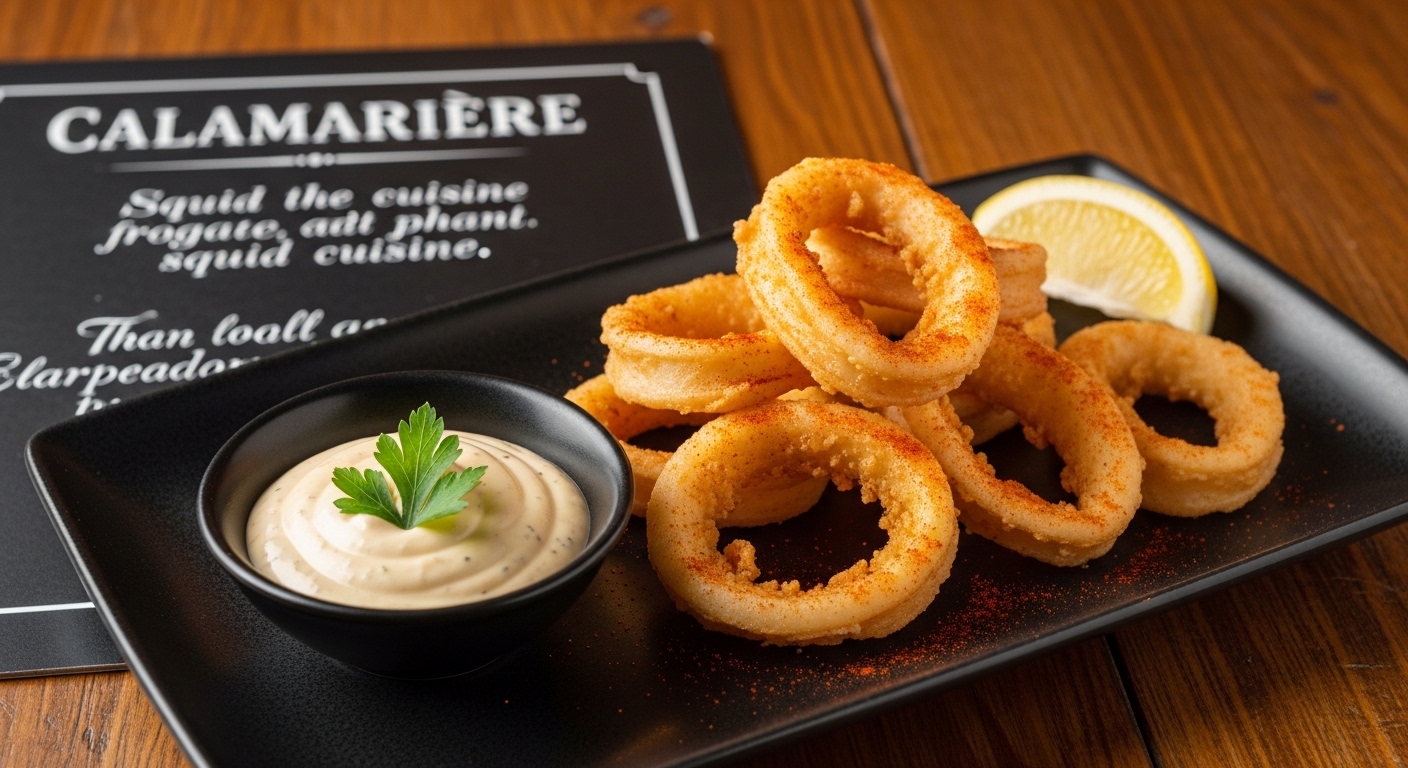
Seafood has always held a special place in global cuisine, combining freshness, versatility, and a touch of adventure in every bite. Among these ocean delights, calamari, or squid, stands out as a favorite for chefs and food enthusiasts alike. But behind the simple fried rings or stuffed tubes lies a world of culinary artistry—enter Calamariere, a term that evokes not just the ingredient itself, but the craft, culture, and creativity that go into preparing squid in ways that delight the senses.
Whether in a coastal Italian trattoria, a modern fusion restaurant, or a home kitchen experimenting with Mediterranean flavors, Calamariere represents more than just a dish—it’s a celebration of texture, flavor, and culinary tradition.
What Is Calamariere?
The word “Calamariere” seems to be a playful and sophisticated extension of “calamari,” suggesting either:
-
A specialty in preparing squid dishes
-
A culinary brand centered on seafood
-
A modern reinterpretation of traditional squid recipes
In essence, it embodies the art of taking a humble ingredient like squid and transforming it into an experience that is both delicious and memorable. While “calamari” refers to the squid itself, Calamariere emphasizes the preparation, presentation, and the sensory journey associated with enjoying it.
The Culinary Appeal of Squid
Squid is prized for its mild, slightly sweet flavor and its tender texture when cooked correctly. It is highly versatile, lending itself to frying, grilling, braising, or stuffing. Nutritionally, squid is rich in protein, low in calories, and contains essential minerals like selenium and phosphorus.
This versatility is precisely what makes Calamariere so exciting: it allows chefs to experiment with various cooking techniques while staying true to the ingredient’s natural taste.
Popular Calamariere Preparations
Calamariere dishes often incorporate both traditional and modern cooking methods. Here are some of the most popular ways squid is transformed in the kitchen:
1. Fried Calamari
The most familiar form, fried calamari, features rings of squid lightly coated in seasoned flour or batter, then deep-fried to golden perfection. Served with a squeeze of lemon or a side of marinara sauce, this classic preparation balances crispiness with tender squid inside.
2. Grilled Calamari
Grilling enhances the squid’s natural umami flavors while imparting a smoky aroma. Light marinades of olive oil, garlic, and herbs make the dish aromatic, keeping the texture firm but tender. Grilled calamari is often served as a starter or as part of a seafood platter in Mediterranean cuisine.
3. Stuffed Calamari
Stuffed squid tubes offer a chance for culinary creativity. Chefs fill them with ingredients such as breadcrumbs, herbs, cheese, vegetables, or even seafood mixtures. The stuffed calamari is then baked or simmered in a tomato-based sauce, producing a rich, flavorful dish perfect for festive meals.
4. Calamari in Pasta and Risotto
Squid pairs beautifully with rice and pasta, offering a tender protein addition while absorbing sauces and aromatics. Tomato-based, white wine, or saffron-infused sauces complement the squid’s subtle flavor. A well-prepared risotto or spaghetti dish with calamari embodies the essence of Calamariere.
Calamariere: Beyond the Dish
What makes Calamariere special is its cultural and culinary significance. In Mediterranean regions, squid is more than an ingredient—it’s a link to the sea, local traditions, and coastal lifestyles.
Mediterranean Roots
Italy, Spain, and Greece have centuries-old traditions of preparing squid in flavorful, simple ways. Local fishermen would sell freshly caught squid to markets where families would cook them using age-old recipes, combining minimal ingredients with maximum flavor.
Asian Influence
Calamari also shines in Asian cuisine, where stir-fried squid, tempura-style squid, and spicy squid salads are popular. The Calamariere concept embraces these global interpretations, highlighting squid’s adaptability across cultures.
Cooking Calamari Perfectly
Squid can be tricky to cook. Too long in the pan, and it becomes rubbery; too short, and it can taste raw or chewy. The key principles of preparing Calamariere dishes include:
-
Quick high-heat cooking: Fry or sear for 1–3 minutes to keep squid tender.
-
Slow braising for larger tubes: When stuffed or simmered, cooking slowly at low heat produces a melt-in-your-mouth texture.
-
Proper cleaning: Remove membranes and tentacles thoroughly to ensure consistent cooking.
-
Marination: Acidic marinades like lemon juice, vinegar, or wine help tenderize squid.
Mastering these techniques allows chefs to consistently deliver dishes that embody the Calamariere experience.
The Aesthetic of Calamariere
Part of the appeal of Calamariere lies in presentation. Chefs often elevate squid dishes with:
-
Garnishes such as microgreens, parsley, or edible flowers
-
Drizzles of premium olive oil or balsamic reductions
-
Arrangements of squid rings or tubes for visual appeal
A plate of well-presented Calamariere is not just a meal—it’s an invitation to savor the ocean’s bounty.
Nutrition and Health Benefits
Calamari is naturally low in fat and high in lean protein, making it a healthy choice for balanced diets. It is also rich in:
-
Vitamin B12: Supports nervous system health
-
Selenium: Functions as a powerful antioxidant
-
Phosphorus: Important for bone strength
Calamariere dishes, when prepared with fresh ingredients and minimal oil, can provide a nutritious alternative to heavier protein options.
Sustainability in Calamariere
Sustainable seafood practices are essential for the long-term availability of squid. Responsible Calamariere chefs prioritize:
-
Sourcing from certified fisheries
-
Avoiding overfished species
-
Encouraging local procurement to reduce carbon footprint
By incorporating sustainability, Calamariere becomes not just a culinary experience but also an environmentally conscious choice.
Calamariere at Home
Home cooks can create their own Calamariere dishes with a few tips:
-
Buy fresh or properly frozen squid.
-
Clean squid thoroughly before cooking.
-
Avoid overcooking to maintain tenderness.
-
Experiment with marinades, herbs, and citrus for flavor.
-
Pair dishes with simple sides like salads, roasted vegetables, or light pastas.
Even a simple fried calamari at home can provide a taste of Mediterranean elegance.
Calamariere in Fine Dining
In upscale restaurants, Calamariere becomes a gourmet experience. Chefs may:
-
Pair squid with truffle oil, saffron, or exotic spices
-
Serve small plates as part of tasting menus
-
Offer modern twists on traditional preparations, blending Mediterranean and Asian flavors
Fine dining Calamariere showcases creativity, precision, and an elevated sense of taste.
Why Calamariere Appeals Globally
Calamariere’s universal appeal lies in its balance of flavor, texture, and cultural significance. Whether enjoyed as street food, a home-cooked meal, or a fine dining creation, it offers:
-
Versatility: Works in fried, grilled, stuffed, or braised forms
-
Nutritional Value: Low in fat, high in protein
-
Cultural Connection: Evokes traditions from the Mediterranean to Asia
-
Visual Appeal: Can be presented as elegant culinary art
These factors make Calamariere both accessible and sophisticated, satisfying diverse culinary audiences.
Future of Calamariere
The culinary world continues to evolve, and Calamariere is poised to thrive in modern cuisine. Trends shaping its future include:
-
Fusion dishes that combine flavors from different continents
-
Plant-based “squid” alternatives for vegetarian diets
-
Emphasis on sustainable and ethically sourced seafood
-
Innovative presentation techniques in fine dining
As chefs experiment with flavors, textures, and sustainability, Calamariere will continue to be celebrated as both a dish and a culinary philosophy.
Conclusion
Calamariere is more than just squid—it is a testament to the beauty of seafood, culinary creativity, and cultural tradition. From simple fried rings to gourmet stuffed tubes, each preparation embodies flavor, texture, and artistry.
By embracing proper cooking techniques, sustainability, and thoughtful presentation, Calamariere dishes provide not only delicious meals but also a connection to coastal cultures and global gastronomy. Whether enjoyed at a seaside bistro, a high-end restaurant, or in your own kitchen, Calamariere represents the perfect blend of tradition, innovation, and taste—a true celebration of the ocean’s bounty.
In a world that increasingly values both quality and experience, Calamariere stands as a delicious reminder that the simplest ingredients, when treated with care, can become extraordinary culinary journeys.