

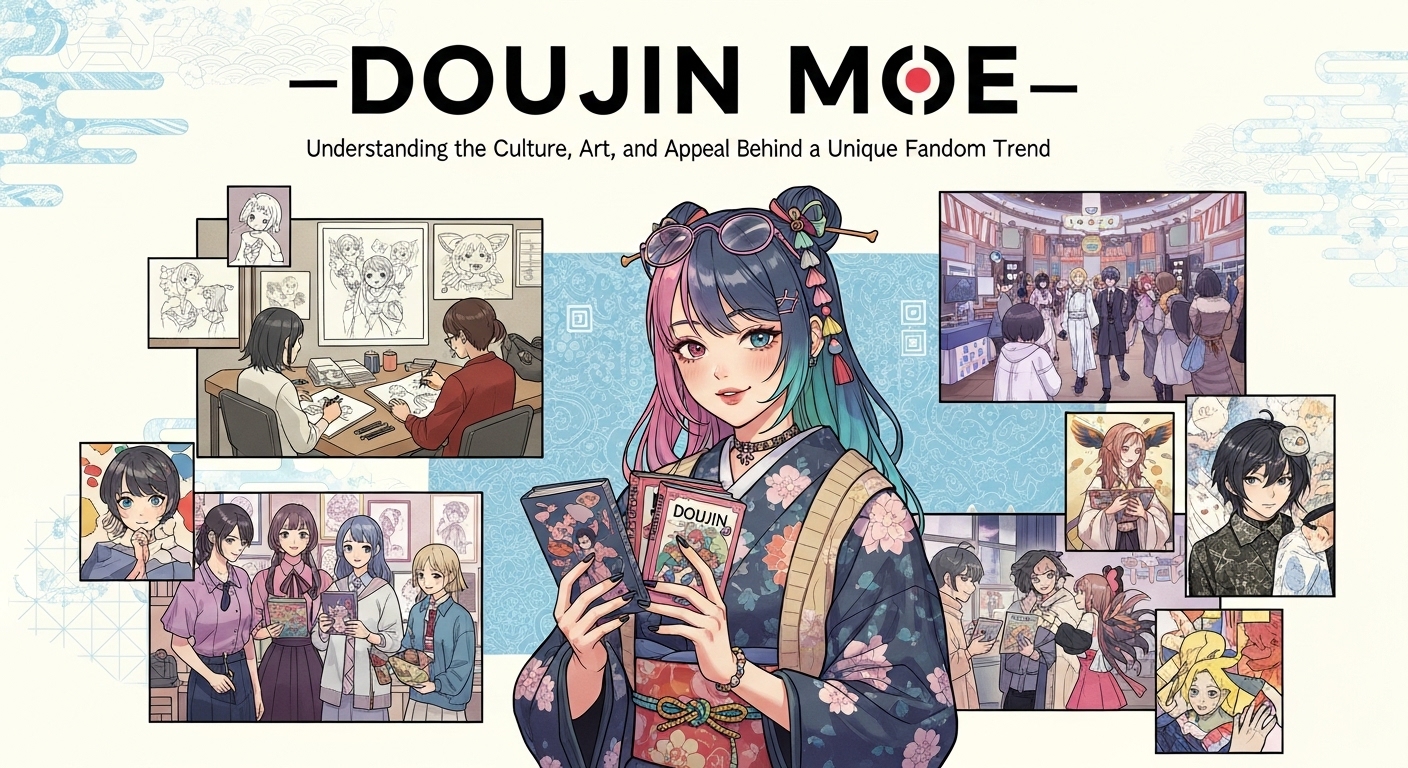
The world of Japanese pop culture has introduced many creative expressions that blend art, storytelling, and fan engagement. Among these is doujen moe, a term that combines two influential concepts within anime and manga communities: “doujin” (fan-created works) and “moe” (a feeling of affection toward fictional characters). Together, doujen moe represents a vibrant subculture built around creativity, admiration, and emotional connection to stylized characters.
What Is Doujen Moe?
To understand doujen moe, it helps to break down the two key elements:
-
Doujin (or Doujen) refers to independently created works, often manga, novels, art books, or games produced by fans rather than major publishing companies. These works can be original stories or reinterpretations of existing franchises.
-
Moe is a Japanese term used to describe a strong sense of affection, admiration, or emotional attachment toward fictional characters—often those portrayed as cute, innocent, or endearing.
When combined, doujen moe refers to fan-created content that highlights lovable, charming, or emotionally resonant characters. It emphasizes artistic expression and emotional storytelling rather than mainstream commercial production.
The Origins of Doujin Culture
Doujin culture has deep roots in Japan’s creative communities. Since the late 20th century, fans have gathered at conventions such as Comic Market (Comiket) in Tokyo to showcase and sell their independently produced works.
Unlike traditional publishing, doujin creators maintain full creative freedom. They experiment with:
-
Alternative storylines
-
Character backstories
-
Crossovers between different series
-
Original character designs
-
Unique art styles
This creative freedom laid the foundation for doujen moe, allowing artists to explore emotional character-focused storytelling that resonates with niche audiences.
Understanding the Concept of Moe
The idea of “moe” emerged prominently in the 1990s and early 2000s within anime and manga fandoms. Moe does not simply mean “cute.” It describes a deeper emotional response—an affection or protective admiration for a character’s personality, innocence, or relatable traits.
Characters associated with moe often display:
-
Gentle or shy personalities
-
Emotional vulnerability
-
Wholesome charm
-
Playful innocence
-
Expressive facial features
Moe culture celebrates emotional warmth and connection rather than dramatic action or complex plotlines.
The Artistic Style of Doujen Moe
Doujen moe artwork typically features:
-
Large expressive eyes
-
Soft color palettes
-
Delicate linework
-
Emphasis on facial expressions
-
Detailed costume design
Artists often focus on subtle emotional moments rather than high-intensity scenes. A simple smile, blush, or thoughtful gaze can carry significant narrative weight.
The visual softness enhances the emotional tone, creating a comforting and inviting aesthetic.
Emotional Storytelling in Doujen Moe
What sets doujen moe apart is its emotional depth. While mainstream anime may prioritize action or adventure, doujen moe often centers on:
-
Everyday interactions
-
Quiet character development
-
Friendship bonds
-
Romantic tension (non-explicit)
-
Personal growth
The appeal lies in relatability. Fans see fragments of themselves in these characters—whether it’s social awkwardness, ambition, kindness, or vulnerability.
This focus on emotional resonance creates a strong bond between creator and audience.
Community and Fan Engagement
Doujen moe thrives in community-driven spaces. Online platforms, social media, and conventions allow artists to share their creations directly with fans.
Key aspects of community involvement include:
-
Artist booths at conventions
-
Online art-sharing platforms
-
Fan feedback and interaction
-
Collaborative projects
-
Limited-edition self-published prints
This grassroots environment fosters inclusivity and support for independent creators.
Unlike large commercial studios, doujin artists often interact personally with their audience, strengthening the sense of connection.
Global Influence of Doujen Moe
While doujin culture originated in Japan, its influence has spread globally. International artists now participate in fan conventions and produce independent works inspired by anime aesthetics.
Western conventions frequently host “artist alleys,” spaces similar to Japanese doujin events. Here, creators showcase:
-
Fan art
-
Original comics
-
Character prints
-
Handmade merchandise
The emotional appeal of moe-style characters transcends cultural boundaries, making doujen moe a global phenomenon.
The Creative Freedom of Independent Artists
One reason doujen moe remains popular is the autonomy it offers creators. Without corporate oversight, artists can:
-
Explore niche themes
-
Experiment with unconventional storytelling
-
Develop deeply personal narratives
-
Focus on character emotion over commercial appeal
This independence encourages innovation and authenticity.
For many aspiring illustrators and writers, doujin culture serves as a stepping stone into professional creative careers.
Ethical and Legal Considerations
While doujin works often reinterpret existing characters, many creators operate within unspoken guidelines of respect for original intellectual property. Some major companies tolerate fan works because they help sustain fandom enthusiasm.
However, artists must remain aware of copyright laws, especially outside Japan. As the global reach of doujen moe grows, understanding intellectual property rights becomes increasingly important.
The Psychological Appeal of Doujen Moe
The emotional attraction to moe-style characters can be explained through psychology. Humans are naturally drawn to:
-
Expressive faces
-
Innocent or gentle traits
-
Emotional vulnerability
-
Protective instincts
Moe characters often embody these qualities, triggering empathy and attachment. In stressful times, soft and comforting art styles can provide relaxation and escapism.
Doujen moe offers a safe imaginative space where audiences can explore emotions without real-world consequences.
Doujen Moe in Digital Media
Digital technology has expanded the reach of doujen moe. Artists now distribute work through:
-
Web comics
-
Digital illustration platforms
-
Social media
-
Crowdfunding sites
-
Online marketplaces
This shift allows creators to reach international audiences instantly.
Animated short clips, visual novels, and indie games inspired by moe aesthetics further broaden the creative landscape.
Balancing Creativity and Responsibility
As with any artistic movement, creators must balance freedom with responsibility. Doujen moe thrives when it focuses on emotional storytelling, artistic beauty, and respectful character portrayal.
Positive representation, inclusive storytelling, and mindful content creation ensure the subculture remains welcoming and sustainable.
Why Doujen Moe Continues to Grow
Several factors contribute to its lasting popularity:
-
Emotional relatability
-
Artistic freedom
-
Strong community support
-
Accessible creative tools
-
Global fan engagement
In an era dominated by large media corporations, doujen moe represents the power of independent creativity.
It reminds audiences that storytelling does not require massive budgets—only passion and imagination.
Conclusion
Doujen moe is more than a niche fandom trend. It is a cultural expression rooted in creativity, emotional storytelling, and community connection. By combining independent publishing with heartfelt character design, it creates a unique space within global pop culture.
From convention halls in Tokyo to digital art platforms worldwide, doujen moe continues to inspire artists and fans alike. Its charm lies not only in its visual style but also in its sincerity—a reminder that sometimes the simplest stories and softest characters can leave the deepest impressions.