


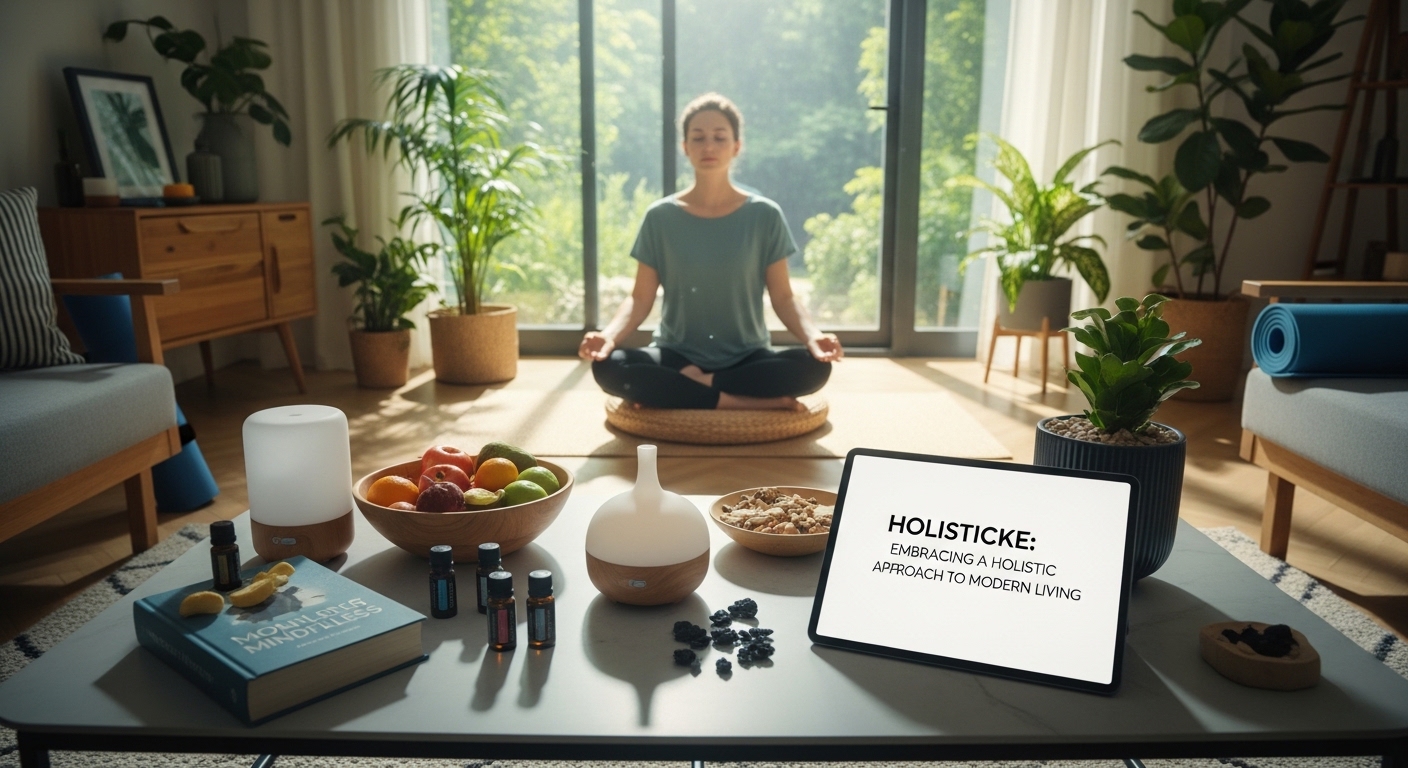
holistict often feels fragmented and fast-paced, and more people are searching for balance, meaning, and sustainable well-being. The term holisticke reflects this growing movement toward holistic thinking—a perspective that views life, health, and success as interconnected systems rather than isolated parts. While the word itself may appear simple, its meaning carries profound depth. Holisticke represents integration, balance, and the understanding that everything in life is connected.
Understanding the Meaning of Holisticke
The word holisticke is derived from the concept of “holistic,” which emphasizes the idea that the whole is greater than the sum of its parts. Rather than focusing on isolated symptoms or individual elements, a holistic approach considers the entire system.
At its core, holistic involves:
-
Viewing problems from a broader perspective
-
Recognizing the interconnection between physical, mental, and emotional well-being
-
Integrating multiple dimensions of life
-
Seeking balance rather than extremes
Holisticke thinking shifts attention from quick fixes to long-term harmony.
Holisticke in Health and Wellness
Perhaps the most well-known application of holisticke philosophy is in health and wellness.
Physical and Mental Integration
Traditional healthcare often focuses on treating specific symptoms. In contrast, a holisticke approach considers lifestyle, stress levels, emotional health, diet, and environment when addressing physical conditions.
For example:
-
Stress may contribute to digestive issues
-
Poor sleep may affect mental clarity
-
Emotional imbalance may weaken immunity
By acknowledging these connections, holisticke wellness promotes sustainable healing.
Preventive Care
Holisticke health emphasizes prevention rather than reaction. Balanced nutrition, regular movement, mindfulness practices, and emotional awareness all play vital roles in maintaining overall well-being.
Holisticke and Mental Well-Being
Modern life presents mental health challenges such as anxiety, burnout, and stress. A holistic perspective addresses these concerns by examining root causes rather than surface-level symptoms.
Key elements include:
-
Mindfulness and meditation
-
Balanced daily routines
-
Emotional self-awareness
-
Supportive social connections
-
Healthy work-life integration
Holistic mental wellness focuses on nurturing the mind while maintaining balance in other life areas.
Holisticke Lifestyle Choices
Living holisticke means aligning actions, habits, and goals with overall well-being.
Balanced Nutrition
Rather than extreme dieting, a holistic approach to food emphasizes moderation, variety, and mindful eating.
Physical Activity
Movement becomes a way to energize the body and clear the mind, not just a method for physical appearance goals.
Environmental Awareness
Holistic living also considers environmental impact, encouraging sustainable practices that protect both personal health and the planet.
Holisticke in Education
Education systems increasingly recognize the importance of holistic development.
Beyond Academics
Holisticke education nurtures:
-
Emotional intelligence
-
Social skills
-
Creativity
-
Critical thinking
-
Physical health
Rather than focusing solely on grades, this approach supports the full development of a student’s abilities.
Personalized Learning
Holistic models encourage adaptive learning environments that consider individual strengths and challenges.
Holisticke in Business and Leadership
In the professional world, holisticke thinking transforms leadership styles and workplace culture.
Employee Well-Being
Companies adopting a holistic approach prioritize:
-
Work-life balance
-
Mental health resources
-
Open communication
-
Professional growth opportunities
Healthy employees contribute to sustainable success.
Systems Thinking
Holisticke business strategies analyze entire organizational ecosystems—how departments interact, how decisions affect long-term outcomes, and how corporate actions impact communities.
Holisticke and Personal Growth
Personal development often focuses on isolated goals such as career advancement or financial success. However, holistic growth emphasizes harmony across all life areas.
True fulfillment comes from balancing:
-
Career ambitions
-
Relationships
-
Health
-
Spiritual well-being
-
Personal passions
Holistic personal growth encourages self-reflection and alignment of values with actions.
The Role of Spirituality in Holistic Living
For many individuals, spirituality forms an important dimension of holistic life.
Spirituality in a holisticke sense may involve:
-
Meditation
-
Reflection
-
Gratitude practices
-
Connection to nature
-
Purpose-driven living
It does not necessarily require religious affiliation but encourages deeper self-awareness and meaning.
Environmental Connection and Holistic Philosophy
Holisticke thinking extends beyond individual well-being to planetary health.
Environmental sustainability reflects interconnectedness between human activity and ecological balance.
Practices supporting holistic environmental awareness include:
-
Reducing waste
-
Conserving energy
-
Supporting sustainable products
-
Promoting ethical consumption
By recognizing that personal choices impact global systems, holistic philosophy fosters responsible living.
Challenges of Adopting a Holistic Approach
While holistic living offers many benefits, challenges may arise:
-
Time constraints
-
Information overload
-
Resistance to lifestyle changes
-
Misunderstanding of holistic principles
Overcoming these obstacles requires patience, education, and gradual implementation.
Benefits of Holisticke Thinking
The advantages of adopting a holistic approach include:
-
Improved physical health
-
Greater emotional balance
-
Enhanced decision-making
-
Stronger relationships
-
Sustainable success
-
Increased life satisfaction
Holistic living encourages mindful awareness of how daily choices influence overall quality of life.
Holisticke and Modern Technology
Even in a technology-driven world, holistic principles remain relevant.
Digital wellness tools now integrate:
-
Sleep tracking
-
Meditation guidance
-
Nutrition planning
-
Fitness monitoring
These systems reflect holistic thinking by connecting various aspects of health into a unified platform.
However, holisticke philosophy also reminds individuals to balance screen time with real-world experiences.
Why Holisticke Matters Today
The fast pace of modern society often leads to compartmentalization—separating work from personal life, mind from body, or success from happiness. Holistic thinking challenges this fragmentation.
By emphasizing interconnectedness, holisticke living supports resilience and adaptability in uncertain times.
It encourages individuals to step back, evaluate their entire life system, and make adjustments that promote long-term balance.
Conclusion
Holisticke represents more than a trend—it embodies a philosophy of interconnected living. By viewing health, relationships, work, and environment as parts of a unified whole, individuals can cultivate lasting well-being and fulfillment.
From healthcare and education to business and personal development, holistic principles encourage integration rather than isolation. In a world often defined by speed and specialization, this approach offers clarity, balance, and deeper meaning.
Ultimately, embracing holisticke thinking empowers individuals to live intentionally, make mindful decisions, and create harmony between every dimension of life.