


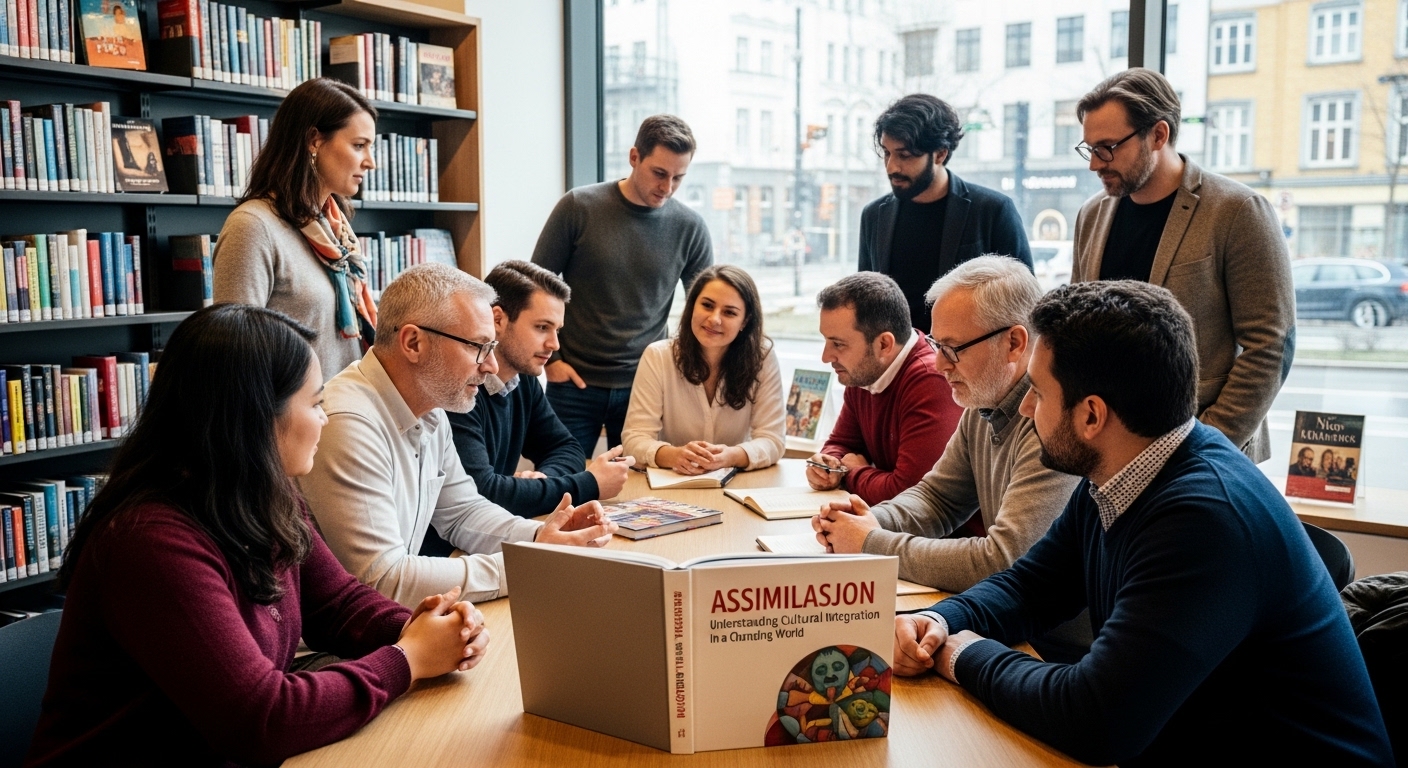
In an increasingly interconnected world, societies are constantly shaped by migration, globalization, and cultural exchange. One concept that frequently arises in discussions about integration and identity is assimilasjon. Rooted in social science and cultural studies, assimilasjon refers to the process through which individuals or groups adopt the cultural norms, values, and behaviors of a dominant society.
While often associated with immigration, assimilasjon extends beyond borders. It influences language, education, workplace culture, and even generational identity shifts. Understanding assimilasjon is essential for building inclusive communities and navigating the complexities of multicultural societies.
What Is Assimilasjon?
Assimilasjon is the process by which individuals or minority groups gradually adopt the customs, language, beliefs, and social practices of a larger or dominant group. Over time, this adaptation may lead to reduced cultural differences between groups.
The concept is often discussed in sociology and anthropology, particularly in relation to immigration. When people move to a new country, they may adapt to local traditions, learn the national language, and follow social norms to better integrate into society.
However, assimilasjon is not limited to immigration. It can also occur within regions, organizations, or even social groups where individuals adjust their behaviors to align with prevailing expectations.
Historical Background of Assimilasjon
Historically, assimilasj-on policies have been implemented in various countries with differing intentions and outcomes. In some cases, governments promoted assimilation to create social unity and national identity. In other instances, forced assimilation resulted in the suppression of minority cultures.
For example:
-
Indigenous communities in several countries experienced forced assimilation through language restrictions and educational systems.
-
Immigrant groups in the 19th and 20th centuries often faced pressure to abandon native customs in order to fit into mainstream society.
These historical examples demonstrate that assimilasjon can be both voluntary and involuntary, shaping its ethical and social implications.
Types of Assimilasjon
Assimilasjon can occur in different forms depending on context and intensity.
1. Cultural Assimilasjon
This involves adopting the language, dress, food, traditions, and social customs of the dominant culture. Over time, cultural distinctions may become less visible.
2. Structural Assimilasjon
Structural assimilasjon happens when minority groups gain equal access to institutions such as education, employment, and political systems.
3. Marital Assimilasjon
Intermarriage between groups can lead to blended cultural practices and shared identities, accelerating integration.
4. Identificational Assimilasjon
This type occurs when individuals emotionally identify with the dominant culture, seeing themselves primarily as members of that society.
Each form reflects a different dimension of integration and highlights how multifaceted the process can be.
Assimilasjon vs. Integration
It is important to distinguish assimilas-jon from integration. While they are often used interchangeably, they carry different meanings.
-
Assimilasjon typically implies adopting the dominant culture, sometimes at the expense of original identity.
-
Integration suggests participation in society while maintaining aspects of one’s cultural heritage.
Modern multicultural societies increasingly emphasize integration rather than complete assimilation, promoting diversity alongside unity.
Benefits of Assimilasjon
When voluntary and balanced, assimilasjon can offer several advantages:
Social Cohesion
Shared language and cultural understanding can strengthen social bonds and reduce misunderstandings.
Economic Opportunities
Adapting to workplace norms and language expectations can enhance employment prospects.
Political Participation
Understanding civic systems enables greater involvement in democratic processes.
Educational Access
Language acquisition and cultural familiarity can improve academic success.
These benefits demonstrate why many individuals choose to adapt aspects of their identity to align with broader society.
Challenges and Criticisms
Despite potential advantages, assimilasjon is not without controversy.
Loss of Cultural Identity
Critics argue that assimilation can erode traditions, languages, and heritage passed down through generations.
Psychological Stress
Pressure to conform may create internal conflict, particularly among younger generations balancing dual identities.
Inequality and Discrimination
Assimilation does not always guarantee acceptance. Even after adopting cultural norms, individuals may still face prejudice.
Ethical Concerns
Forced or institutionalized assimilation raises serious human rights concerns.
These challenges highlight the importance of respecting diversity while fostering inclusion.
Assimilasjon in Modern Societies
Globalization has reshaped how assimilas-jon functions today. With digital communication and travel, people maintain connections to their cultural roots more easily than ever before.
Digital Influence
Social media platforms allow migrants to preserve language and traditions while engaging with global communities.
Multicultural Policies
Many governments now promote diversity, encouraging coexistence rather than cultural replacement.
Hybrid Identities
Second-generation immigrants often develop blended identities, combining elements of both cultures.
Modern assimilasjon tends to be more fluid and less rigid than in previous eras.
The Role of Language in Assimilasjon
Language acquisition is often central to assimilation. Learning the dominant language:
-
Enhances communication
-
Expands employment opportunities
-
Facilitates social interaction
-
Supports educational advancement
However, maintaining native languages also preserves cultural heritage and strengthens family bonds. Bilingualism can serve as a bridge rather than a barrier.
Education and Assimilasjon
Schools play a significant role in shaping integration experiences. Educational systems can either encourage diversity or promote uniformity.
Inclusive approaches may include:
-
Multilingual education programs
-
Cultural awareness curricula
-
Celebrations of diverse traditions
Balanced education supports both adaptation and cultural preservation.
Workplace Dynamics and Assimilasjon
Professional environments often have implicit cultural expectations regarding communication styles, dress codes, and social norms.
Adapting to workplace culture can improve career progression. However, organizations increasingly recognize the value of diversity, encouraging inclusive leadership practices.
Companies that respect cultural differences while promoting shared goals create healthier work environments.
Psychological Aspects
Assimilasjon affects identity and self-perception. Individuals navigating new cultural environments may experience:
-
Acculturation stress
-
Identity negotiation
-
Cultural pride or conflict
Support systems, community networks, and open dialogue can ease these transitions.
The Future of Assimilasjon
As migration continues and global connections deepen, the concept of assimilasjon will continue evolving.
Future trends may include:
-
Greater emphasis on intercultural competence
-
Hybrid cultural expressions
-
Policies promoting inclusive citizenship
-
Digital tools supporting cross-cultural understanding
Rather than rigid assimilation models, societies may move toward dynamic frameworks that value both unity and diversity.
Conclusion
Assimilasjon is a complex and multifaceted process that shapes individuals, communities, and nations. While it can foster social cohesion and economic opportunity, it also raises important questions about identity, cultural preservation, and equality.
In today’s interconnected world, balanced approaches that respect diversity while encouraging participation are increasingly favored. By understanding assimila-sjon in its historical and modern contexts, societies can create inclusive environments where individuals feel both integrated and valued.
Ultimately, the goal is not to erase differences but to build communities where shared understanding and mutual respect allow diverse identities to thrive together.