

Sodziu is more than just a term; it embodies a rich tapestry of culture, history, and community. This fascinating practice has woven its way into the lives of those who honor it, creating bonds that transcend generations. From vibrant celebrations to solemn rituals, sodziu represents a unique blend of tradition and modernity.
As we delve deeper into the world of sodziu, we’ll explore its origins and significance in society today. Discover how age-old practices continue to influence contemporary life while facing challenges along the way. Join us on this journey through traditions and transformations that shape our understanding of what sodziu truly means.
Origins and History of Sodziu
Sodziu has deep roots in ancient traditions, tracing back several centuries. Its origins are shrouded in mystery, often linked to the early communities that celebrated seasonal changes.
Historically, Sodziu served as a unifying force among different tribes. These gatherings fostered connections and strengthened communal bonds. Rituals were passed down through generations, each adding layers of meaning and significance.
As cultures evolved, so did Sodziu. It transformed from simple ceremonies into elaborate festivals marked by vibrant costumes and music. Each region added its unique flavor to the celebrations.
Artifacts unearthed from archaeological sites reveal much about these rituals. They tell tales of devotion, resilience, and joy experienced by communities throughout history.
The evolution of Sodziu reflects wider societal changes too—showing how customs adapt while preserving their essence over time.
The Significance of Sodziu in Culture and Society
Sodziu holds a remarkable place in the cultural fabric of many communities. It serves as a bridge between generations, connecting the past with the present. This connection fosters a sense of belonging and identity among people.
In various societies, sodziu embodies values such as community spirit and mutual respect. Through its traditions, individuals learn about their heritage while also appreciating diversity within it.
Celebrating sodziu often brings together families and friends, reinforcing social ties that are vital for emotional support. These gatherings transform simple rituals into profound expressions of love and unity.
The practices associated with sodziu can vary widely but share common themes—gratitude, remembrance, and joy. They remind participants to honor their roots while navigating modern life’s challenges. Thus, sodziu remains not just an event but a powerful symbol of resilience in changing times.
Traditional Practices and Rituals Associated with Sodziu
Traditional practices and rituals associated with sodziu reflect a rich tapestry of cultural heritage. Each ritual serves as a bridge connecting generations, allowing ancestral wisdom to flow into modern lives.
One prominent practice is the seasonal festival held in honor of nature’s cycles. This celebration involves communal gatherings where participants share stories, music, and traditional dances that echo ancient traditions.
Rituals often include offerings made to spirits or ancestors. These acts symbolize respect and gratitude for guidance received throughout one’s life journey.
Another notable aspect is the use of specific symbols during these events. Artisans craft intricate designs representing local flora and fauna, which adorn clothing and ceremonial items.
Through these vibrant expressions, sodziu embodies community spirit while reinforcing identity amidst evolving societal norms. The dedication to preserving these customs highlights their enduring significance in today’s world.
Modern Celebrations and Adaptations of Sodziu
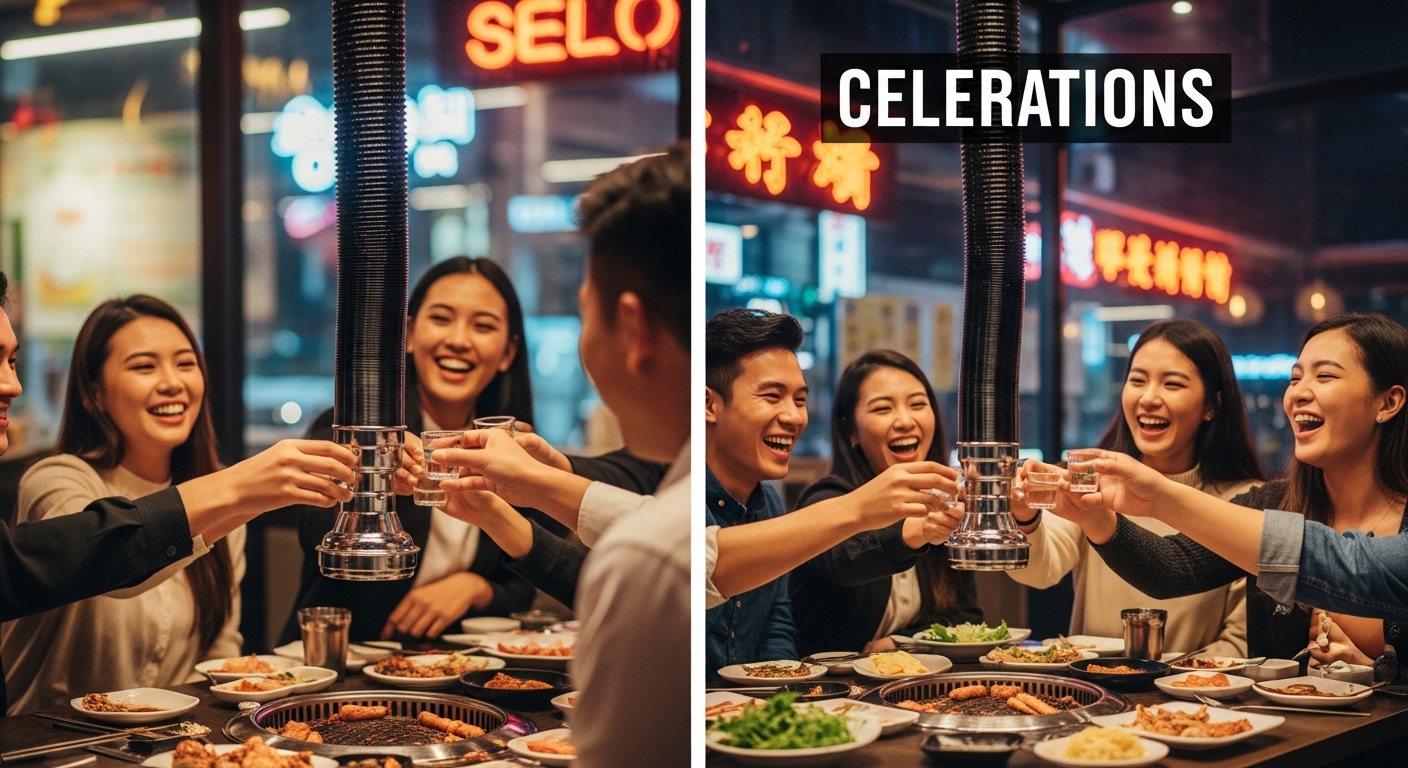
Modern celebrations of sodziu have evolved significantly, blending traditional elements with contemporary influences. Festivals dedicated to sodziu now attract diverse participants, showcasing vibrant displays of music and dance.
Communities use social media to share their experiences and promote events. This digital engagement has brought a global audience closer to the essence of sod-ziu. People from various backgrounds are eager to learn about its rich traditions.
Adaptations include fusion cuisine, where local chefs experiment with flavors inspired by sod-ziu rituals. This culinary innovation highlights the versatility of traditional dishes while keeping cultural roots intact.
Moreover, educational workshops focus on teaching younger generations about the importance of preserving these customs. These initiatives foster a sense of pride and encourage participation in future celebrations.
As society changes, so does our approach to honoring traditions like sodziu. The blend of old and new continues to keep this cultural heritage alive and relevant today.
Controversies Surrounding Sodziu
Sodziu has not been without its share of controversies. While many celebrate its rich traditions, others question some practices rooted in outdated beliefs. Critics argue that certain rituals can perpetuate stereotypes or exclude marginalized groups.
Debates often arise regarding the authenticity of modern adaptations. Some purists feel that commercialization dilutes the essence of Sodziu, turning sacred ceremonies into mere entertainment spectacles. This tension between tradition and modernity continues to be a hot topic among enthusiasts.
Additionally, environmental concerns have emerged as celebrations grow larger and more extravagant. The impact on local ecosystems raises eyebrows and sparks discussions about sustainability within these cultural events.
Social media plays a significant role here too. With influencers promoting various aspects of Sodziu, differing opinions clash in public forums, igniting passionate discussions among supporters and detractors alike.
The Future of Sodziu in a Changing World
The future of sodziu is intertwined with the rapid shifts in global culture. As modern society embraces technology and innovation, traditional practices face both challenges and opportunities.
Younger generations are eager to preserve their heritage while also adapting to contemporary lifestyles. This fusion could lead to exciting new expressions of sod-ziu that honor its roots yet offer fresh perspectives.
Cultural exchanges through travel and social media foster appreciation for sodziu beyond its borders. Increased interest from diverse communities can generate a revitalization of traditions that might have faded otherwise.
However, commercialization poses risks. It’s essential to strike a balance between genuine representation and exploitation for profit. The authenticity of sod-ziu must be safeguarded amidst growing popularity.
As we navigate this evolving landscape, engaging with cultural custodians will be crucial. Their insights will help shape how sodziu thrives or transforms in the years ahead.
Conclusion
The cultural landscape shaped by sodziu is rich and complex. Its roots stretch deep into history, reflecting the diverse traditions that have evolved over generations. The rituals associated with sod-ziu serve as a beacon of identity, connecting communities through shared values and practices.
Modern adaptations highlight the resilience of these traditions in contemporary society. As people find new ways to celebrate sodziu, they breathe fresh life into age-old customs while honoring their origins. This evolution ensures that young generations remain engaged and connected to their heritage.
Yet, the journey of sod-ziu is not without its challenges. Controversies surrounding its interpretation and practice create dialogue within communities about cultural preservation versus innovation. These discussions are crucial for understanding how traditions can adapt while maintaining core values.
As societal dynamics shift, so too does the future of sod-ziu. It stands at a crossroads where tradition meets modernity. By embracing both aspects, this vibrant cultural phenomenon can continue thriving for years to come.
Sodziu embodies more than just celebrations; it encapsulates stories, emotions, and connections that bind us together across time and space. It invites us all to reflect on our own traditions while appreciating those from around the world.