

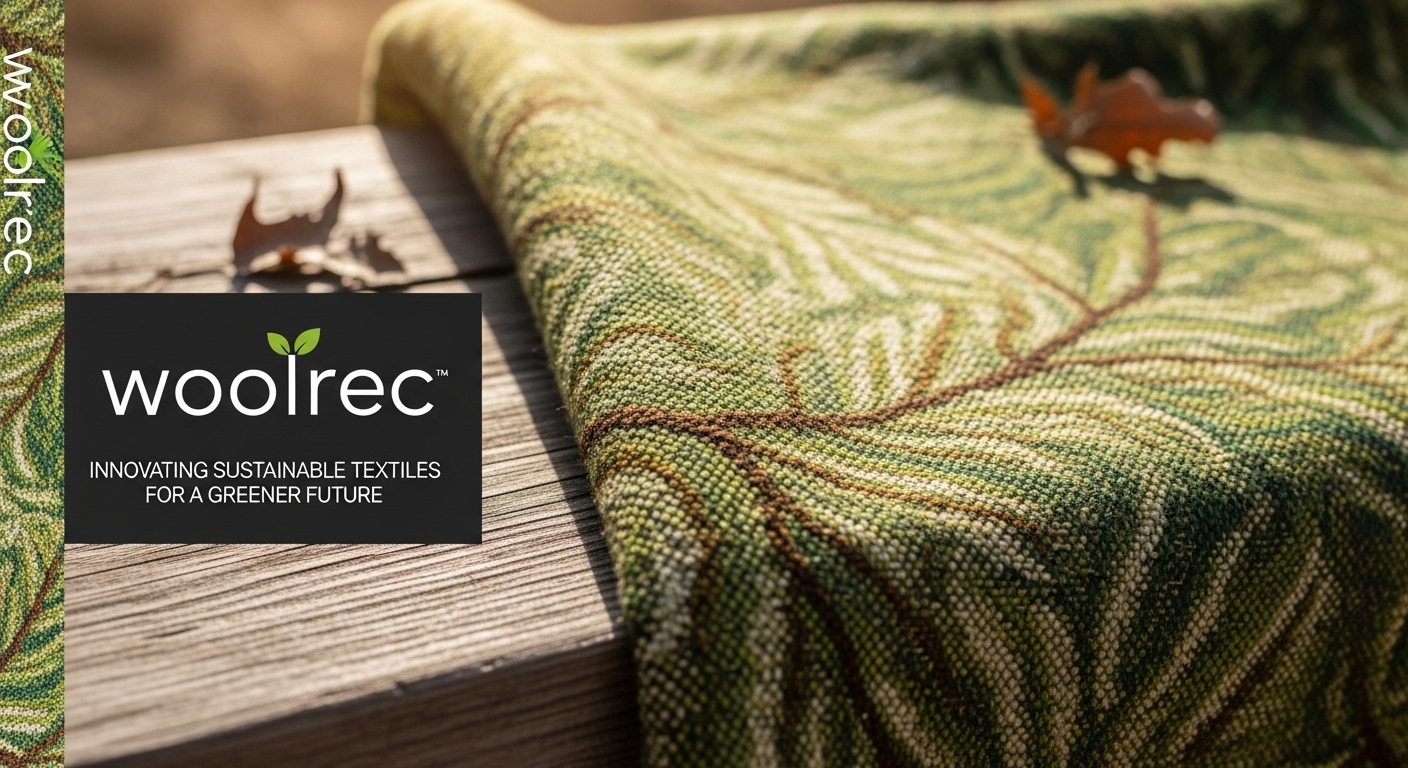
In an era where sustainability shapes consumer choices and industrial innovation, textile production is undergoing a meaningful transformation. Traditional manufacturing methods, while efficient, often come at an environmental cost. Against this backdrop, woolrec emerges as a forward-looking concept that symbolizes responsible textile recycling, circular design, and eco-conscious material development.
Wool has long been valued for its warmth, durability, and natural resilience. However, like many textile materials, wool products can contribute to waste when discarded improperly. Woolrec represents a modern solution—reimagining how wool is recycled, repurposed, and reintegrated into new products without compromising quality or environmental integrity.
The Environmental Challenge in Textiles
The fashion and textile industries generate significant waste each year. Discarded garments, production scraps, and unused materials often end up in landfills. While synthetic fibers can persist in the environment for decades, even natural fibers require thoughtful recycling systems to reduce impact.
Consumers are increasingly aware of these challenges. Demand for sustainable alternatives has grown rapidly, encouraging brands to rethink their supply chains. Recycling and circular production models have become essential components of responsible business strategies.
Woolrec aligns with this shift by promoting the recovery and reuse of wool materials, reducing reliance on raw resource extraction.
Understanding Circular Economy Principles
A circular economy focuses on keeping materials in use for as long as possible. Instead of following a linear path—produce, use, discard—circular systems emphasize reuse, recycling, and regeneration.
Woolrec fits naturally within this framework. By collecting used wool garments or production offcuts, processing them into reusable fibers, and transforming them into new products, the lifecycle of wool extends significantly.
This approach conserves resources, lowers carbon emissions, and reduces landfill waste. It also supports sustainable innovation in textile manufacturing.
The Process Behind Wool Recycling
Recycling wool involves several stages. First, materials are sorted by color and fiber composition. Removing contaminants ensures quality control. The wool is then cleaned, shredded, and re-spun into yarn suitable for weaving or knitting.
Advanced technologies enhance this process, preserving fiber strength and softness. Blending recycled wool with new fibers can improve durability while maintaining sustainability goals.
Woolrec represents not only the recycling process itself but also the strategic integration of recycled wool into modern product lines.
Benefits of Recycled Wool
Recycled wool offers multiple advantages:
-
Reduced environmental impact compared to producing virgin wool
-
Conservation of water and energy
-
Lower greenhouse gas emissions
-
Preservation of natural resources
Beyond environmental benefits, recycled wool maintains many of the qualities that make traditional wool desirable. It remains warm, breathable, and biodegradable.
Woolrec highlights these strengths, positioning recycled materials as both practical and responsible choices.
Innovation in Sustainable Fashion
Fashion brands are increasingly embracing sustainable collections. Consumers seek transparency in sourcing and production methods. A concept like woolrec supports ethical fashion by ensuring traceable recycling processes.
Designers can incorporate recycled wool into outerwear, knitwear, blankets, and accessories. Creative applications demonstrate that sustainability does not compromise style or quality.
By integrating recycled materials into contemporary designs, brands reinforce their commitment to environmental stewardship.
Supporting Local Economies
Recycling initiatives often create opportunities within local communities. Collecting, sorting, and processing wool materials can generate employment and stimulate regional economies.
Woolrec could serve as a collaborative model involving manufacturers, designers, and recycling facilities. Partnerships strengthen supply chains and encourage shared responsibility for sustainability.
Community-based recycling programs also raise awareness about responsible consumption.
Consumer Awareness and Education
Sustainability depends not only on production methods but also on consumer behavior. Educating individuals about textile recycling empowers them to make informed choices.
Woolrec could include awareness campaigns explaining how recycled wool reduces waste and conserves resources. Clear labeling and transparent communication build trust.
When consumers understand the environmental benefits of recycled materials, they are more likely to support sustainable brands.
Challenges in Wool Recycling
Despite its advantages, wool recycling presents challenges. Sorting materials accurately requires careful attention. Blended fabrics containing synthetic fibers complicate processing.
Maintaining consistent quality in recycled fibers also demands technological precision. Investment in research and development helps address these obstacles.
Woolrec represents ongoing improvement—adapting techniques and refining processes to ensure high standards.
Technology and Sustainability
Technological advancements enhance recycling efficiency. Automated sorting systems, eco-friendly cleaning methods, and innovative spinning techniques contribute to improved outcomes.
Digital tracking systems can monitor supply chains, ensuring transparency from collection to finished product. This integration of technology strengthens accountability and consumer confidence.
Woolrec embodies the synergy between traditional materials and modern innovation.
Expanding Applications
While fashion remains a primary focus, recycled wool can extend into other industries. Interior design products such as carpets, upholstery, and insulation materials benefit from wool’s natural properties.
The construction sector also recognizes wool’s thermal and acoustic insulation capabilities. Recycled fibers can provide sustainable solutions for energy-efficient buildings.
By exploring diverse applications, woolrec demonstrates versatility and long-term viability.
Environmental Impact and Long-Term Vision
Reducing textile waste is essential for environmental protection. Each recycled garment represents fewer resources extracted and less waste generated.
Woolrec’s long-term vision may include closed-loop systems where products are designed specifically for recyclability. Designing with recycling in mind simplifies future processing and enhances circularity.
Continuous improvement and collaboration drive sustainable progress.
The Role of Policy and Industry Standards
Government policies and industry standards influence sustainable practices. Incentives for recycling initiatives encourage businesses to adopt environmentally responsible methods.
Certifications and environmental audits ensure accountability. Woolrec could align with recognized sustainability standards to reinforce credibility.
Strong policy frameworks support widespread adoption of circular textile models.
Conclusion
Sustainability is no longer a niche concern—it is a global priority. The textile industry must adapt to meet environmental expectations while maintaining quality and innovation.
Woolrec symbolizes a forward-thinking approach to wool recycling and circular production. By extending material lifecycles, reducing waste, and promoting responsible consumption, it reflects the future of sustainable textiles.
Through collaboration, technological advancement, and consumer education, woolrec can contribute to a greener, more resilient industry. In a world striving for balance between comfort and conservation, recycled wool stands as a testament to the power of thoughtful innovation.